
Gummies, those candy bears, worms, or button-sized candies, look harmless but they’re far from it.
Poison control centers in Florida are receiving an escalation of calls from people who have become very ill from overdoses on melatonin, THC and CBD gummies. Emergency room visits in Florida are also increasing. Reactions include nausea, vomiting, extreme lethargy, tremors, confusion, and even trouble breathing.
The rise in gummi overdoses is triggered by availability, new habits formed during the pandemic, and inconsistent dosing issues.
Gummies are easy to obtain and increasingly popular. In Florida, melatonin gummies are sold in grocery stores, drugstores, and vitamin stores, while CBD gummies are available in convenience stores and tobacconists, and THC products are sold in dispensaries (on a doctor’s recommendation).
However, the supplement industry, which includes melatonin, isn’t strictly regulated, so the dosage on the label may not be consistent with what’s in the bottle or bag.
Melatonin overdoses have increased
A 2023 study in the Journal of the American Medical Association looked at 25 brands of over-the-counter melatonin gummy bears and found that 88 percent had dosages inconsistent with their labeling. Some were lower and some were up to 3 times the listed dose.
This should give Floridians pause for thought, especially with the growing use of melatonin triggered by sleep-disrupting stress and anxiety during the pandemic. The Sleep Foundation has found that a growing number of parents are giving children melatonin to help them fall asleep, unaware of the risks.
“You don’t know what you’re getting,” said Dr. Heidi Cohen, with Joe DiMaggio Children’s Hospital in Hollywood. “They say a milligram amount, but you don’t know if that’s what’s inside. Too many milligrams can make you excessively sleepy and can even be toxic to babies. There have been deaths linked to melatonin overdose.
So far in 2023, Florida’s Poison Control Centers have monitored 996 calls related to melatonin-related illnesses, 75 percent of which were for children 5 years of age and younger. This represents a slight increase in pediatric cases (2.6 percent) from a year earlier, said Wendy Blair Stephan, health education coordinator for the Florida Poison Information Center. Stephan said Florida poison centers also recorded 47 other cases of exposure to melatonin combined with other substances.
Nationwide, a study published by the Centers for Disease Control and Prevention found that more than 4,000 children were hospitalized for melatonin overdoses in the past 10 years; five children required ventilation and two died.
“My first question is why the baby doesn’t sleep without help… what’s the problem?” Cohen asked. “This issue needs to be addressed with your pediatrician. You shouldn’t just medicate babies haphazardly to sleep,”
iStock.com/Juanmonino
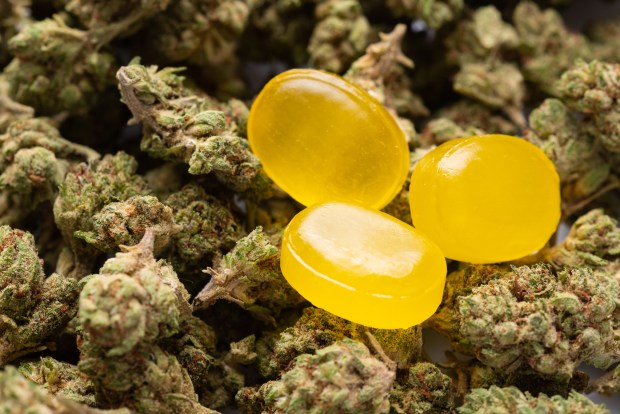
THC gummies are sending kids to emergency rooms in Florida.
Marijuana gummies are the most dangerous
Equally popular and even more problematic are Cannabidiol (CBD) and Tetrahydrocannabinol (THC) gummies, which are edible formulations of hemp and marijuana.
Calls to Florida poison centers about edible formulations of marijuana (THC-containing) from Florida have steadily increased year-over-year since 2018 as availability increased. So far this year, Florida’s Poison Control Centers have received 226 calls about exposure to these edible formulations of marijuana, 36 percent of which have occurred in children 5 years of age and younger.
Buyer beware: CBD products could be the snake oil of this century
Doctors say marijuana gummies are problematic for both adults and children.
For adults, edibles can take up to two hours to kick in, so a common mistake is for someone to get impatient for the high to kick in and drink more, then go overboard. Overdose symptoms include rapid heartbeat, breathing problems, and delirium. For some people, the gummy ingredients might interact with other medications. “Everyone reacts differently,” said West Boca Hospital emergency room physician Charles Jeanpierre. “People don’t usually die from too much cannabis, but they can become very ill and require hospital treatment.”
All over the country, kids mistake marijuana gummies for candy and eat too much of it. Because of the potency packed into some THC gummies, a young child who ingests them can experience a five-fold overdose, pediatricians say.
While too many vitamin and melatonin gummies can have harmful effects in children in rare cases, these symptoms are usually mild compared to the severe systemic effects seen in THC emergency rooms in toddlers, says Stephan of the Florida Poison Information Center-Miami.
“I think it’s worrying,” he said.
“In 2023, we saw a 12% increase in cases from 0 to 5 years and 30% in the 6 to 12 age group compared to last year,” he said. “This suggests that parents and grandparents still don’t realize that these products pose a very tempting danger.”
More than 7,000 confirmed cases of children under the age of 6 eating edible foods have been reported to poison control centers nationwide over the past five years. The U.S. Food and Drug Administration recently issued a warning to parents after learning of the rise in cases of elementary-age children entering hospitals after consuming what they thought were candy.

Mike Stocker / South Florida’s Sentinel of the Sun
The colorful CBD gummies are tempting for children who devour them and end up in the emergency room.
South Florida emergency room doctors see the problem firsthand
We’re seeing kids come in drunk, confused, unable to answer questions, and there’s a risk that when kids come in like this they’ll stop breathing, Cohen told Joe DiMaggio. THC.”
Jeanpierre, medical director of the pediatric emergency room at West Boca Medical Center, regularly sees children who have gotten into their parents’ gummies.
Those who take THC gummies tend to have the most severe symptoms, she said. They arrive in the emergency room with nausea, vomiting, dizziness, difficulty breathing, and even an increased heart rate. “We give them supportive care like oxygen, anti-nausea medication, IV fluids, or blood pressure-lowering medication.”
Jeanpierre said only children who ingest large amounts of THC are sick enough to be admitted to intensive care.
Her advice to parents: If your child eats too many gummies or if you notice your child acting strange, call poison control. In South Florida that number is 800-222-1222.
Sun Sentinel health reporter Cindy Goodman can be reached at cgoodman@sunsentinel.com.
#Interesting #Danger #Melatonin #THC #CBD #Gummies #Harmless
Image Source : www.sun-sentinel.com